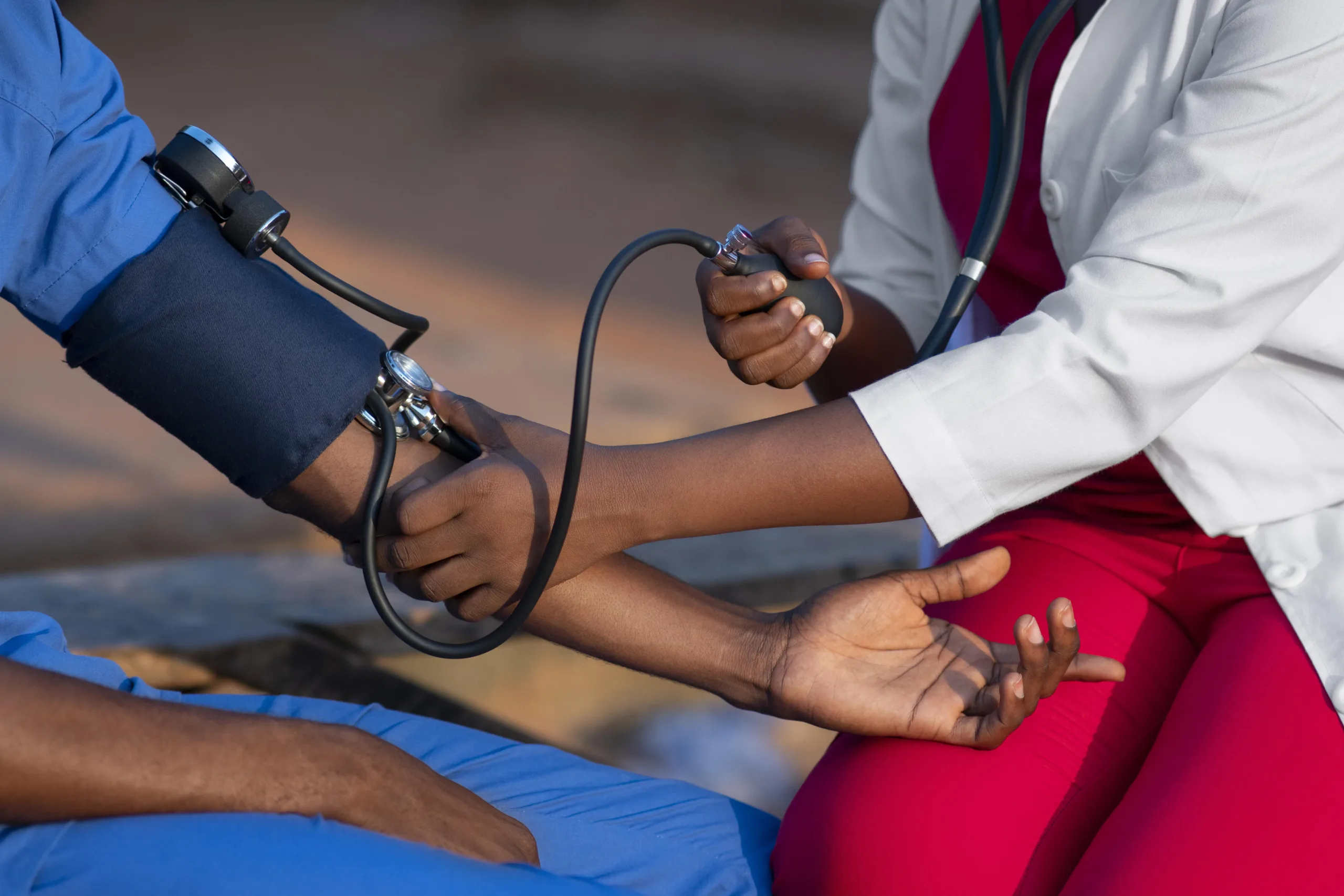
For the 2026/2027 academic session, the JAMB Cut Off Mark for Public Health ranges from 160 to 220, depending on the university. Public Health is a highly important and increasingly competitive course, especially due to growing concerns about disease prevention, healthcare systems, environmental health, and global health security.
Federal universities often require 180 to 220, particularly for institutions with strong health science faculties. State universities usually accept 160 to 180, while many private universities accept 160 and above, provided candidates meet the required O’Level qualifications.
Candidates are strongly advised to aim for 180+ to improve their chances, especially in federal universities.
What Is Public Health?
Public Health is the study and practice of protecting and improving the health of populations rather than individuals. It focuses on disease prevention, health promotion, health education, and health policy development.
Public Health professionals work to prevent outbreaks, improve living conditions, promote healthy behaviors, and strengthen healthcare systems.
The course covers:
- Epidemiology: Study of disease patterns, causes, and control in populations.
- Biostatistics: Application of statistics to health and medical data.
- Environmental Health: Impact of environment on human health.
- Health Policy and Management: Organization and administration of health systems.
- Community and Reproductive Health: Improving health at the community level.
- Nutrition and Health Education: Promoting healthy lifestyles.
- Occupational Health and Safety: Protecting health in the workplace.
How Long Does It Take to Study Public Health?
In Nigerian universities, Public Health is typically a 4-year degree program for UTME candidates.
For Direct Entry candidates, the program usually lasts 3 years, depending on the university and previous qualifications.
The course includes fieldwork, community outreach programs, research projects, and practical training, giving students real-world public health experience.
JAMB Cut Off Mark for Public Health 2026/2027
The JAMB Cut Off Mark for Public Health for the 2026/2027 academic session ranges from 160 to 220, depending on the university.
| University Name | Cut Off Mark for Public Health |
|---|---|
| University of Ibadan (UI) | 200 |
| University of Lagos (UNILAG) | 200 |
| Ahmadu Bello University (ABU) | 180 |
| University of Nigeria, Nsukka (UNN) | 180 |
| Nile University of Nigeria | 150 |
| University of Port Harcourt (UNIPORT) | 150 |
| University of Medical Sciences (UNIMED) | 180 |
| Federal University of Technology Owerri (FUTO) | 180 |
| University of Calabar (UNICAL) | 150 |
| Obafemi Awolowo University (OAU) | 200 |
| University of Ilorin (UNILORIN) | 180 |
| Bayero University Kano (BUK) | 160 |
| Nnamdi Azikiwe University (UNIZIK) | 160 |
| Abia State University (ABSU) | 150 |
| Lagos State University (LASU) | 195 |
| Osun State University (UNIOSUN) | 160 |
| Ebonyi State University (EBSU) | 160 |
| Rivers State University (RSU) | 160 |
| Delta State University (DELSU) | 160 |
| Benue State University (BSU) | 160 |
| Babcock University | 170 |
| Afe Babalola University (ABUAD) | 180 |
| Covenant University | 200 |
| Madonna University | 160 |
| Lead City University | 150 |
| Bowen University | 150 |
| Caleb University | 150 |
| Al-Hikmah University | 180 |
| Bingham University | 160 |
| Arthur Jarvis University | 150 |
| Adeleke University | 150 |
| Bauchi State University | 150 |
| National Open University of Nigeria (NOUN) | 180 |
At Federal Universities
Federal universities usually require 180–220. Examples include:
- University of Ibadan (UI)
- University of Nigeria, Nsukka (UNN)
- Ahmadu Bello University (ABU)
- University of Lagos (UNILAG)
- Federal University of Health Sciences (various locations)
In State Universities
State universities generally accept 160–180, depending on demand.
At Private Universities
Private universities often accept 160 and above, provided candidates meet all requirements.
Entry Requirements for Public Health
O’Level Requirements
To qualify for admission into Public Health, candidates must have five (5) credit passes in:
A. English Language
B. Mathematics
C. Biology
D. Chemistry
E. Any other science or health-related subject (e.g., Physics, Health Science)
Credits may be obtained in one or two sittings, depending on the institution.
JAMB Subject Combination
The required JAMB subjects for Public Health are:
A. Use of English
B. Biology
C. Chemistry
D. Mathematics or Physics
Direct Entry Requirements
For Direct Entry candidates, the requirements include:
A. Two A-Level passes in Biology, Chemistry, or Health-related subjects
B. ND/HND in Health Sciences, Environmental Health, Nursing, or related fields with good grades
Why Is Public Health Important Today?
Public Health is critical to national and global development. It focuses on prevention rather than cure, which reduces healthcare costs and saves lives.
Public Health professionals,
- Control and prevent infectious disease outbreaks
- Improve maternal and child health
- Promote clean water, sanitation, and safe environments
- Support health policy development and emergency preparedness
The COVID-19 pandemic further highlighted the importance of strong public health systems worldwide.
Career Opportunities in Public Health
Graduates of Public Health can work in:
- Public Health Departments and Ministries of Health
- Hospitals and Healthcare Organizations
- International Organizations (WHO, UNICEF, UNDP)
- Non-Governmental Organizations (NGOs)
- Epidemiology and Disease Control Units
- Environmental and Occupational Health Agencies
- Health Policy and Research Institutes
- Community Health Programs
- Health Education and Promotion Agencies
- Emergency and Disaster Management Agencies
Conclusion
For the 2026/2027 academic session, the JAMB Cut Off Mark for Public Health ranges from 160 to 220, depending on the university. While some universities accept 160, aiming for 180+ significantly improves your chances, especially in federal institutions.
Public Health is a life-saving, socially impactful, and future-oriented course. It equips graduates with scientific knowledge, practical skills, and leadership abilities to protect communities, shape health policies, and respond to public health emergencies. With strong preparation, good O’Level results, and a solid JAMB score, admission into Public Health is highly achievable.
FREQUENTLY ASKED QUESTIONS (FAQs)
1. What is the JAMB cut-off mark for Public Health for 2026/2027?
It ranges from 160 to 220, depending on the university.
2. Can I study Public Health with 160?
Yes, especially in state and private universities. Federal universities usually require higher scores.
3. How long is Public Health in Nigeria?
It is a 4-year program for UTME candidates and 3 years for Direct Entry candidates.
4. What JAMB subjects are required?
- Use of English
- Biology
- Chemistry
- Mathematics or Physics
5. Is Public Health a good course in Nigeria?
Yes. It offers strong career opportunities in healthcare, policy, research, NGOs, and international health organizations.
6. What jobs can I get after studying Public Health?
Graduates can work in epidemiology, health education, environmental health, NGOs, government agencies, and international health bodies.

An education writer with almost a decade of experience helping Nigerian students prepare for JAMB and Admission. Hauwa is passionate about ensuring that students have the resources and guides they need to succeed in their academic journey.
Good
Hi Aisha, Thank you